布达佩斯
‘Let traditional Chinese patterns shine with new splendor,’ says Chang Shana, former president of the Central Academy of Arts and Design_我的网站

A | 北京时间1月9日,韩国最高法院周三裁定,三星电子与一家爱尔兰导管公司达成专利许可协议,以利用韩国爱尔兰税收协议中的特别豁免条款逃税并支付15亿韩元(134万美元)的公司税。导管公司的成立通常是为了逃避或减少税收,转移或积累利润。

B | 韩国最高法院星期三对三星做出裁决,结束了长达五年的诉讼。
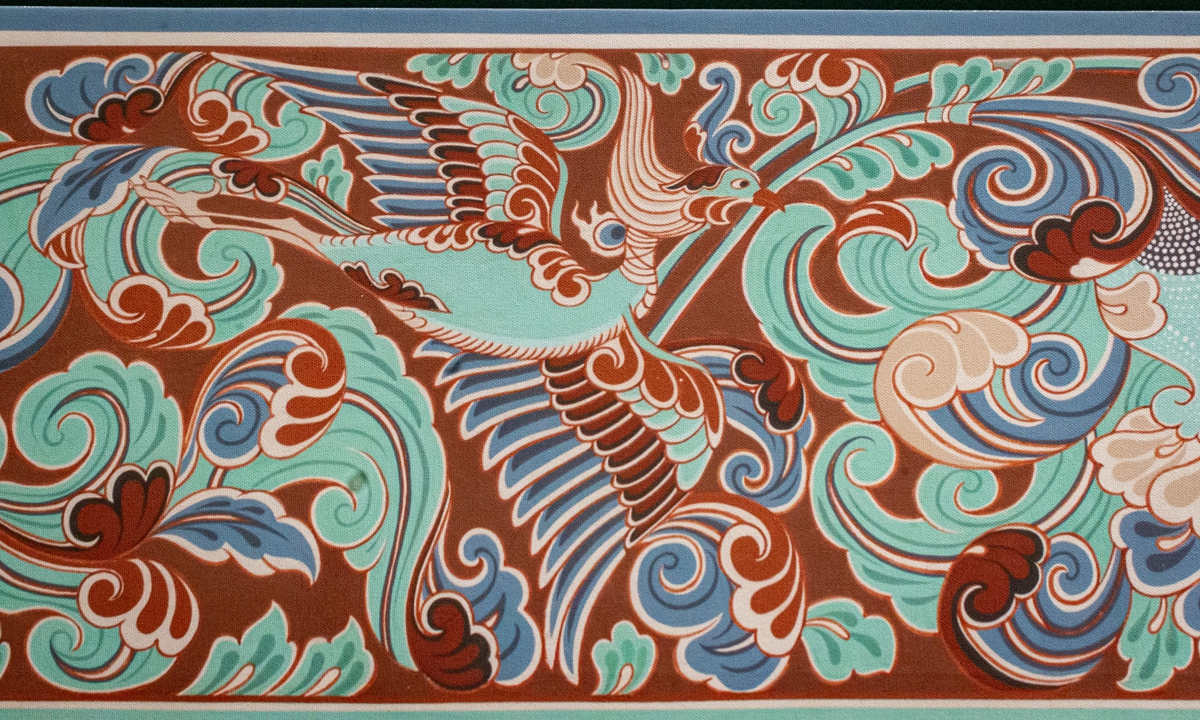
As an important part of Dunhuang art, decorative patterns are the carriers with the most rigorous compositional principles and the richest cultural spirit.
In the Dunhuang caves of Northwest China, there are numerous floral, cloud, flame, animal, and other decorative patterns. These patterns come from different periods and are found on and in structures and forms such as caisson ceilings, canopies, halos, costumes, border decorations and floor tiles, blending with statues, murals and architectural space.
Such patterns not only organically and harmoniously enriched and decorated murals, painted sculptures and entire caves, making them more splendid and perfect, but also developed their own period styles and characteristics, vividly recording the formation, change and development of Chinese decorative art and reflecting the social culture and customs of different times.
From the Sixteen Kingdoms (304-439) period through the Sui (581-618) and Tang (618-907) dynasties and beyond, Dunhuang cave mural art continued to evolve in both content and form with the changing times, and decorative patterns changed accordingly. From the three-petal leaf and honeysuckle patterns of the Northern Wei (386-534) to the scrolling-grass, baoxiang flower and linked-pearl patterns of the Sui and Tang and the medallion floral patterns dominated by mineral green in the Western Xia (1038-1227), Song (960-1279) and Yuan (1279-1368) periods, the pattern forms and color systems of different eras together form the historical lineage of Dunhuang decorative patterns, and also reflect the continuity and creativity of Chinese art.
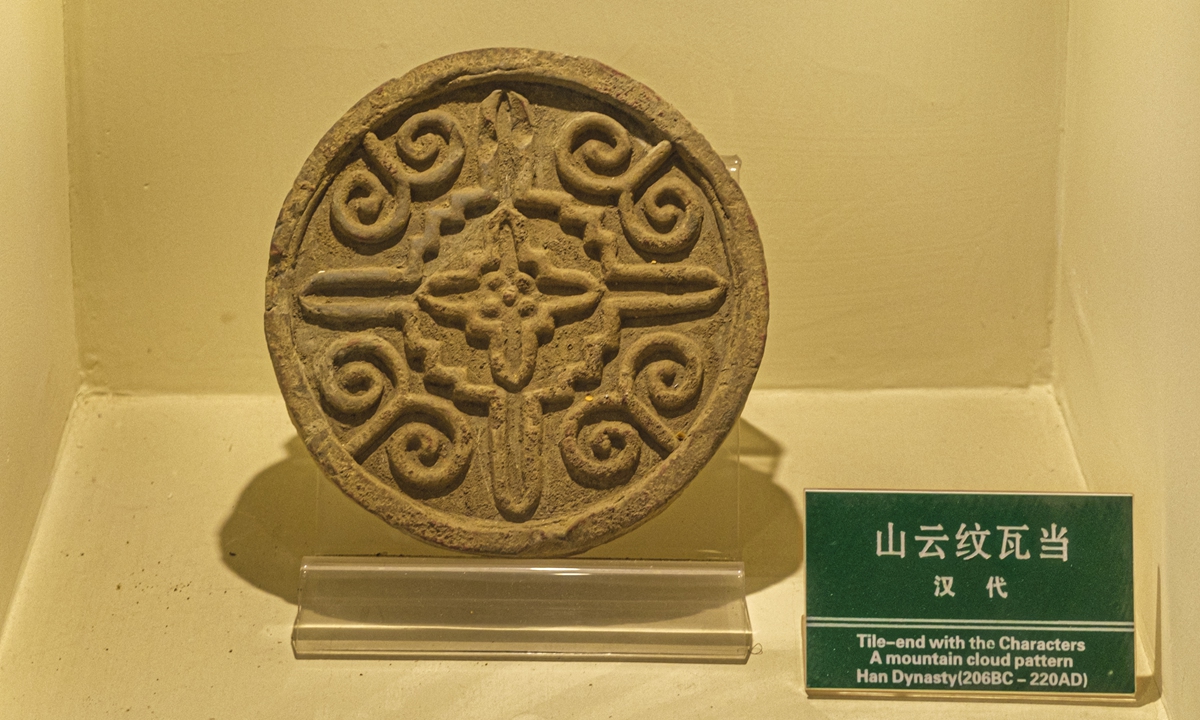
I once led students in forming a research group on "Chinese Decorative Patterns of Dunhuang Through the Ages," systematically collecting, organizing, classifying and copying the decorative patterns on Dunhuang murals and painted sculptures, including the motifs. Through this sorting and copying, we conducted in-depth research and gained a full understanding of the historical culture, artistic features and decorative effects of each type of Dunhuang pattern, and clarified the causes, characteristics and historical evolution of each type. This is the "source" for contemporary design application.
Traditional patterns are an important source of inspiration for my designs. In design, on the one hand, the original appearance of traditional patterns should be preserved to a certain extent; on the other hand, they should be summarized, simplified, extended or enriched to make them more modern.
The ceiling pattern of the banquet hall of the Great Hall of the People was inspired by Tang Dynasty caisson patterns from Dunhuang. With a lotus as the center of the ceiling, and in line with the functional needs of the architectural structure, lighting and ventilation, it combines Dunhuang floral patterns with modern functions to create a spatial decoration with a distinctive national style. This design remains regarded as a model of the contemporary expression of traditional patterns.
I was invited to serve as artistic consultant for the creative program "Nian Jin" (Auspicious Brocade) at China Media Group's 2024 Spring Festival Gala for the Year of the Dragon. Through natural patterns such as mountains and clouds of the Han Dynasty (206BC-AD220), bird and animal patterns such as flying phoenixes and auspicious lions of the Tang Dynasty, floral patterns such as peonies and laurels of the Song Dynasty, and auspicious patterns such as gourds and lanterns of the Ming Dynasty (1368-1644), we enabled the audience to appreciate the aesthetic tastes passed down by the Chinese people over thousands of years and the breadth and depth of fine traditional Chinese culture.
In contemporary society, as standardized, mass-produced industrial products have become dominant, people hope to find forms that reflect their own national cultural language and are distinctive, warm and pleasing. Traditional patterns can make people feel the depth of history and emotional warmth, and can further embody the cultural character of their nation through modern design.
The study and innovation of decorative patterns is a highly practical part of inheriting and promoting fine traditional Chinese culture. It concerns not only vision and beauty, but also cultural attitudes and identity. These patterns are not just a form of heritage found on murals or on other cultural relics; they can enter our daily lives and become cultural symbols in fabrics, utensils, spaces and even digital interfaces.
I believe that more and more later generations engaged in art and design will, on the basis of promoting fine traditional Chinese culture and adapting to people's current needs for culture, art and a better life, take innovative steps to create a new style of modern design art with Chinese characteristics - one that is national, scientific and popular, so that traditional Chinese decorative patterns can constantly generate new vitality and shine with new splendor.
The author is former president of the Central Academy of Arts and Design. This was compiled and translated by the Global Times English edition based on an article published by the People's Daily Overseas Edition on August 20.
。三星在2013年以原告的身份向韩国最高法院提出上诉,质疑韩国税务机关让三星承担706亿韩元的公司税的决定。然而,韩国最高法院仅部分支持上诉法院的判决,即三星只应承担15亿韩元的企业税。早些时候,上诉法院裁定三星应承担所有706亿韩元的公司税。韩国最高法院认为应该取消海外专利税。2010年,三星与美国全球知识产权管理公司IntelligentVentures签订了专利许可合同,支付后者3.7亿美元。高志敏表示,其爱尔兰子公司四一是协议的一方,因此该协议应享受韩国爱尔兰税务协议中的公司免税条款。根据韩美税制,被许可方应支付15%的许可费作为公司税。然而,韩国税务官员表示,IvIl只是一家避税公司,因此他们向三星签发了一份706亿韩元的税单。尽管下级法院接受了三星的反驳,但上诉法院推翻了判决,并裁定三星对所有税收负有责任。
Current article:http://1j8.shuicengchongmingnouhuawang.bond/cdz0k/20260826/30795.html
Published on:12:38:19
 勇者义彦与魔王城
 薛平贵与王宝钏
 打架成本警示牌
 超级银河大怪兽格斗
 恶作剧之吻
恶作剧之吻 禁闭岛
禁闭岛 脱口秀大会
脱口秀大会 主君的太阳
主君的太阳


